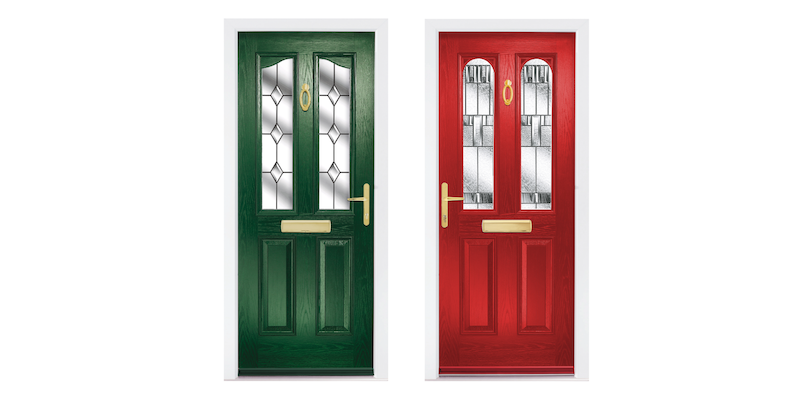
Composite Door Panel Replacement: A Comprehensive Guide
Composite doors have become significantly popular in modern-day homes due to their durability, security, and visual appeal. Nevertheless, gradually, the panels of these doors can become damaged or worn, necessitating replacement. This detailed guide will walk you through the process of composite door panel replacement, offering detailed instructions, beneficial tips, and answers to regularly asked questions.
Understanding Composite Doors
Composite doors are made from a combination of products, including wood, plastic, and in some cases metal. These products are developed to mimic the look of traditional wood doors while offering boosted resilience and resistance to weathering. Composite doors are known for their energy efficiency, security, and low maintenance requirements.
When to Replace Composite Door Panels
Before diving into the replacement procedure, it's essential to identify whether your composite door panels need to be changed. Here are some indications that show it may be time for a panel swap:
- Visible Damage: Cracks, dents, or chips in the panel.
- Weathering: Fading, peeling, or warping due to exposure to the components.
- Security Concerns: Loose or jeopardized panels that present a security threat.
- Aesthetic Preferences: Desire to alter the look of your door to match brand-new interior or exterior design.
Tools and Materials Needed
Before you begin the replacement procedure, gather the following tools and materials:
- New Composite Door Panel: Ensure it matches the size and design of your existing panel.
- Screwdriver: For getting rid of screws and fasteners.
- Rubber Mallet: For carefully tapping the panel into place.
- Energy Knife: For trimming any excess material.
- Caulk Gun and Silicone Sealant: For sealing gaps and making sure a watertight fit.
- Safety Gear: Gloves and shatterproof glass for defense.
Step-by-Step Guide to Composite Door Panel Replacement
Prepare the Work Area
- Clear the location around the door to make sure a safe and unobstructed office.
- Put down a ground cloth or protective covering to protect the flooring.
Eliminate the Existing Panel
- Utilize a screwdriver to get rid of the screws or fasteners that secure the panel to the door frame.
- Carefully pry the panel out of the frame, using a rubber mallet if necessary to prevent harming the surrounding structure.
Inspect the Door Frame
- Inspect the door frame for any damage or wear. If essential, repair or change any damaged components.
- Tidy the frame to make sure a smooth and tidy surface area for the new panel.
Set Up the New Panel
- Position the brand-new composite door panel in the frame, guaranteeing it is centered and aligned.
- Use a rubber mallet to gently tap the panel into location, ensuring it is secure and flush with the frame.
Secure the Panel
- Reattach the screws or fasteners, tightening them safely but not a lot that they trigger the panel to warp.
- Confirm the alignment and fit of the panel to ensure it is level and secure.
Seal the Gaps
- Apply a bead of silicone sealant around the edges of the panel to create a watertight seal.
- Smooth the sealant with a caulk smoothing tool to make sure a tidy and professional finish.
Test the Door
- Open and close the door several times to guarantee it runs smoothly and the new panel is correctly set up.
- Look for any gaps or leaks and make adjustments as needed.
Final Touches
- Clean the door and panel with a moderate cleaning agent and water to remove any dirt or residue.
- Apply a fresh coat of paint or stain, if preferred, to match the rest of your door and exterior.
Tips for a Successful Replacement
- Measure Twice, Cut Once: Ensure the new panel is the exact shapes and size of the old one to prevent fitting issues.
- Usage High-Quality Materials: Invest in premium composite panels and sealants to ensure longevity and performance.
- Take Your Time: Rushing the procedure can cause mistakes. Take your time to ensure a precise and professional setup.
- Seek Professional Help: If you are uncertain about any action of the process, consider speaking with a professional for assistance.
Frequently asked questions
Q: Can I change a composite door panel myself?A: Yes, with the right tools and a little persistence, you can replace a composite door panel yourself. Nevertheless, if you are not comfy with the procedure, it is suggested to seek professional assistance.
Q: How long does it require to change a composite door panel?A: The whole process normally takes a couple of hours, depending on your experience and the intricacy of the job. Guarantee you have enough time to complete the job without hurrying.
Q: Can I paint over a composite door panel?A: Yes, composite door panels can be painted. Nevertheless, it is crucial to utilize a paint that is appropriate for composite products and to appropriately prepare the surface by cleansing and sanding it before applying paint.
Q: What should I do if the brand-new panel does not fit?A: If the brand-new panel does not fit, double-check your measurements and guarantee the panel is the right size. If necessary, cut the panel with an utility knife to attain the best fit. Always evaluate the fit before protecting the panel in location.
Q: How frequently do composite door panels need to be changed?A: Composite door panels are extremely long lasting and can last for many years with appropriate care. Nevertheless, elements such as weathering, damage, and wear can impact their lifespan. Routine maintenance and evaluations can assist extend the life of your composite door panels.
Changing a composite door panel is a manageable DIY job that can significantly improve the appearance and performance of your door. By following composite front door repairs detailed in this guide and utilizing the right tools and products, you can achieve a professional and enduring outcome. Whether you are attending to damage, boosting security, or just upgrading the appearance of your home, composite door panel replacement is a valuable skill to have in your home improvement arsenal.